
Licensed & Insured Paving Contractors
Asphalt Sealcoating & Repair Quad Cities
Asphalt Sealcoating & Repair: Protect and Prolong Your Pavement Investment
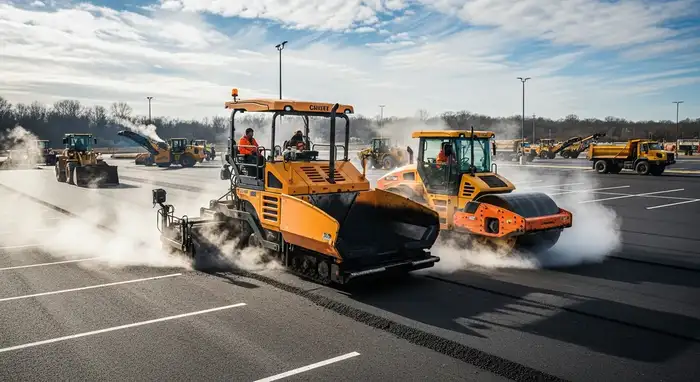
Asphalt doesn’t last forever on its own—but smart, regular maintenance can double or triple its usable life, saving you thousands in premature replacement costs. For property managers, business owners, and municipalities in the Quad Cities area, timely sealcoating and repairs turn a potential liability into a durable, attractive asset.
At Taylor Ridge Paving and Construction, we’ve seen the difference firsthand. As our founder Chris Dowell explains in The Pavement Trap, skipping maintenance lets small issues snowball: a tiny crack invites water, freeze-thaw cycles in our Midwest winters widen it, and soon you’re facing potholes, base failure, and full repaving. Proactive care—like a modest sealcoating investment—often prevents far bigger expenses down the road.
Why Asphalt Deteriorates and How We Stop It
From day one, asphalt faces UV rays, water, oil spills, and heavy traffic. In the Quad Cities’ climate, freeze-thaw cycles accelerate damage: water seeps in, freezes and expands, then thaws and leaves bigger voids. Without protection, surfaces oxidize, fade, crack, and fail in just a few years.
Regular sealcoating creates a tough barrier that blocks these threats, keeping the binder flexible and the surface strong.
Does Sealcoating Really Extend Asphalt Life?
Yes, significantly. Professional sealcoating can add years (often doubling or more) to pavement lifespan by preventing oxidation, water intrusion, and chemical damage. Combined with repairs, it helps asphalt last 20–30+ years instead of 10–15 without care. In our Midwest region, it’s especially valuable against harsh winters and sun exposure.
Industrial-Grade Sealcoating: Professional Results That Last
We don’t use off-the-shelf homeowner sealers. Taylor Ridge applies high-quality, industrial coal tar or asphalt-emulsion sealants—thick enough to shield against UV, water, and petroleum products. Proper prep is key: we clean the surface thoroughly, treat oil spots first (more on that below), edge cleanly, and apply at optimal conditions for even curing. Skipping steps leads to peeling or uneven wear—we never cut corners.
How Often Should Asphalt Be Sealcoated?
For commercial properties in the Quad Cities and Midwest, aim for every 2–3 years (or 1–2 years in high-traffic/heavy-use areas). New asphalt gets its first coat after 6–12 months of curing. We inspect annually and tailor the schedule to your traffic, exposure, and condition—preventing over-application (which builds up) or under-application (which leaves gaps).
Crack Filling: The Essential First Step
Is crack filling worth it before sealcoating? Absolutely, it’s one of the smartest moves you can make. Cracks let water reach the base, weakening everything below and turning minor issues into major failures. Filling first ensures the sealcoat bonds fully and seals every vulnerability.
We use hot-pour rubberized filler: it flexes with temperature changes (unlike cheap cold-pour that shrinks), stays watertight, and holds through seasons. We clean/rout cracks for maximum adhesion—done right, it dramatically boosts longevity.
Pothole Repair: Safe, Permanent Fixes
Potholes aren’t just ugly—they’re hazards that invite trips, vehicle damage, and lawsuits. We avoid quick-and-dirty cold patch (which fails fast in our climate).
Instead, we use infrared repair for smaller areas (heats/rejuvenates existing asphalt for seamless bonds) or full-depth hot-mix patching from our own Superior Asphalt Plant. We compact properly so repairs stay flush and durable—no loose spots after the next thaw.
Oil Spot Treatment: Don't Let Spills Ruin Your Sealcoat
Petroleum products dissolve asphalt binder, creating soft spots that worsen over time. Worse, untreated oil prevents sealcoat from sticking—leading to peeling and wasted effort.
We treat every spot with commercial-grade primers/degreasers first: scrub, lift the oil, and prime for adhesion. This ensures full coverage and protection—no shortcuts here.
A Smarter Maintenance Plan for Long-Term Savings
Reactive fixes cost more in the end. We partner with clients on proactive plans:
- Free initial evaluation and condition report
- Crack filling every 1–2 years
- Sealcoating every 2–3 years (adjusted for your site)
- Pothole/surface repairs as needed
- Optional line striping refresh post-sealcoat
This mirrors the forward-thinking approach Chris Dowell advocates—helping you budget ahead instead of scrambling after problems arise.
Ready to Protect Your Asphalt? Get Your Free Evaluation
Whether your surface is new and needs its first seal, showing early wear, or battling active damage, Taylor Ridge has the expertise, its own plant, stable bonds, a no-money-down policy, and a local track record since 2011 to get it right.
Call (309) 795-1516 or email us from our Contact Page today. Serving Rock Island, Moline, East Moline, Davenport, Bettendorf, and the full Quad Cities region in Illinois and Iowa.