
You sent your commercial parking lot project out for bids. Three contractors came back. One quoted $95,000. One quoted $72,000. And the third? $48,500.
Same lot. Same square footage. Same project description.
How is that possible?
This is one of the most frustrating — and dangerous — situations that property managers, facility directors, and shopping center owners face. Because the instinct to go with the lower number feels responsible. You’re managing a budget. You have a board to answer to. Fifty thousand dollars in savings looks like smart stewardship on paper.
But what that bid is actually doing is setting you up for a very expensive lesson.
Here’s exactly why paving bids vary so dramatically — and the specific things you need to look at before you sign anything.
Why Bids Are So Different: The 5 Hidden Variables
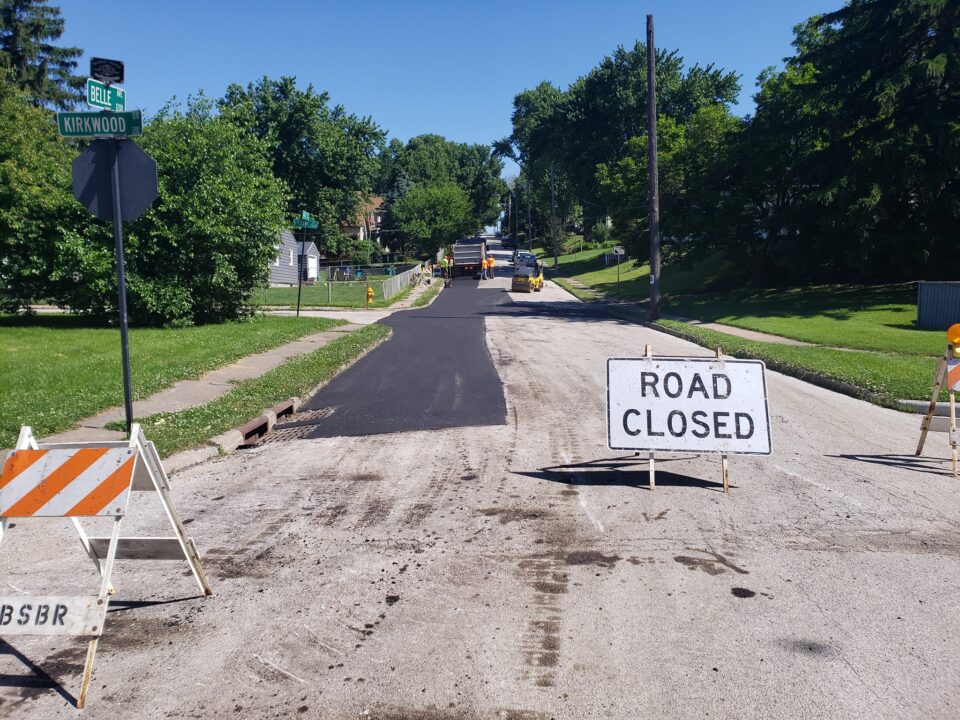
1. Asphalt Thickness The single biggest cost driver in any paving project is the amount of asphalt used. A proper commercial parking lot should have a compacted surface course of 2 to 3 inches, with a base course beneath it depending on soil conditions and traffic loads.
Contractors who need to hit a low number cut asphalt thickness. They’ll quote “2-inch asphalt” and lay 1.25 inches. They’ll say “adequate compaction” and roll it once with equipment that’s too light for the job. You won’t know the difference until the lot starts failing two years later — long after their number is cashed.
2. Mix Design and Material Quality Not all asphalt is the same. The quality of hot mix asphalt — the binder content, aggregate gradation, mixing temperature — varies significantly from plant to plant and batch to batch. Contractors who don’t own their asphalt plant have no control over what goes into your pavement. They buy what’s available that day at the cheapest plant within range.
Taylor Ridge Paving owns Superior Asphalt Plant. We design and produce our own mix specifically for Midwest climate conditions and commercial traffic loads. That means we know exactly what’s going into your parking lot — and we stand behind it, because we can’t blame someone else’s material when something goes wrong.
3. Base Preparation The work that happens before a single ton of asphalt is laid determines how long that asphalt will last. Professional base preparation includes subgrade inspection, proper compaction testing, drainage engineering, and specified aggregate base material.
Low-bid contractors skip these steps — or perform them with inadequate equipment and zero testing. They spread some gravel, run a roller over it once, and call it good. Then they blame “soil conditions” when the pavement fails in year two.
4. Equipment Capability Real commercial paving requires real commercial equipment. Laser-guided grading. Proper steel-drum rollers of sufficient weight. Multiple pavers. Temperature-controlled trucking. Backup equipment so your project doesn’t stop when something breaks down.
Low-bid operators often show up with rented equipment, minimal crew, and no redundancy. When their single paver breaks on day two of your project, your lot sits half-finished while they scramble for a repair.
Taylor Ridge Paving maintains seven crews, five pavers, and seven rollers. We have backup equipment for our backup equipment — because your timeline and your business operations matter more than our convenience.
5. Contractor Stability and Accountability A paving warranty is only worth something if the contractor is still in business when you need to use it. Low-bid operators frequently change business names every few years. That’s not coincidence — it’s a strategy to avoid warranty claims and negative reviews.
Ask any contractor: how long have you been in business under this name? Do you own property and equipment in this area? Can you provide references from jobs you completed two to three years ago — not last month?
Taylor Ridge Paving has been operating under the same name in this community since 2011. We own an asphalt plant. We live here. We’re not going anywhere.
The Real Math on “Savings”
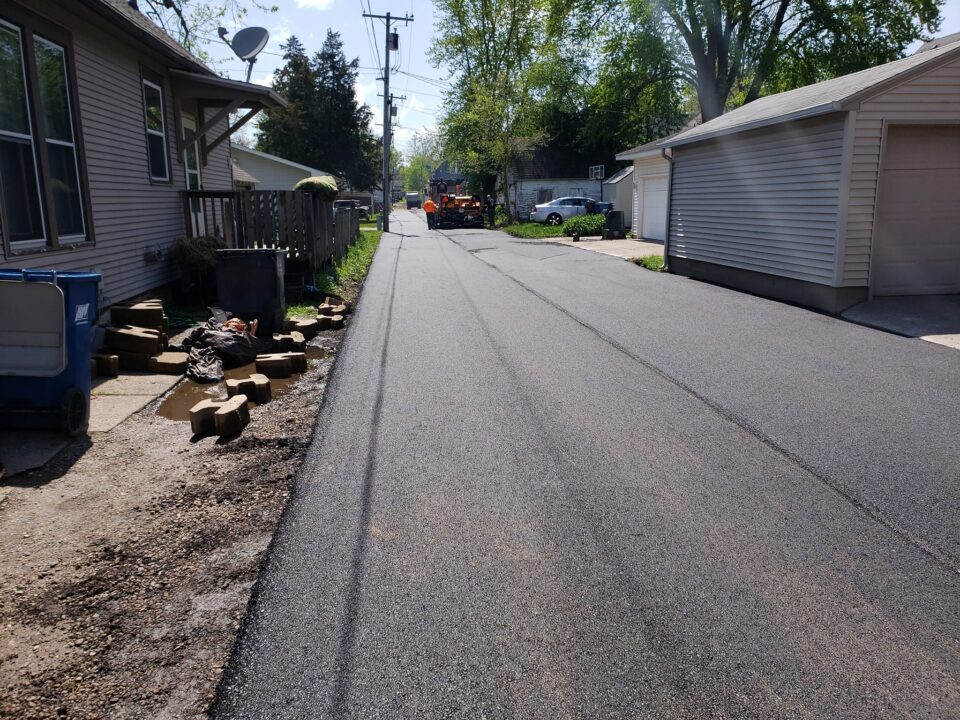
Here’s a scenario that plays out constantly across the Quad Cities and throughout the Midwest:
A shopping center property manager accepts a bid of $64,000 — saving $31,000 compared to the professional quote of $95,000.
Within 18 months: crack networks appear in driving lanes. Drainage pooling begins. Emergency patching costs $8,000. The contractor is unreachable.
Year 3: the lot needs full reconstruction. Cost: $110,000.
Total spent: $182,000. What the professional job would have cost, done right the first time: $95,000.
The “savings” cost $87,000 — not including tenant complaints, liability exposure from trip hazards, and the property manager’s time managing a crisis.
The 5 Questions to Ask Before You Hire Anyone
Before you sign a paving contract in the Quad Cities — or anywhere — ask these five questions and listen very carefully to the answers:
1. Do you own your asphalt plant, or do you buy from a third party? This tells you everything about material control and accountability. Plant ownership means they can’t blame someone else’s mix when problems arise.
2. What is the exact mix design, thickness, and compaction specification — in writing? If they can’t give you specific numbers, walk away.
3. What equipment will you use, and what’s your redundancy plan if something breaks? A contractor with one crew and rented equipment is a project risk. Period.
4. How do you handle drainage engineering on this specific site? If they hesitate, or say “water always finds a way,” you’re looking at the wrong contractor.
5. What percentage of your work is municipal — city streets, public contracts? Municipal contracts require bonding, strict licensing, and public accountability. Contractors who handle government work have proven financial stability. About 20% of Taylor Ridge Paving’s work is municipal — which is proof of the accountability standards we hold ourselves to on every private job.
What a Legitimate Bid Includes
A professional commercial paving bid should specify: exact asphalt thickness before and after compaction, mix design type and source, base preparation scope and testing methods, drainage engineering approach, equipment to be used, timeline with milestones, payment terms (no legitimate established contractor requires significant money down), and warranty terms in plain language.
If a bid is vague — “complete parking lot renovation” and a price — it’s designed to be vague. That’s where the corner-cutting hides.
Get a Straight Bid from a Contractor Who Owns Their Plant
Taylor Ridge Paving serves commercial property managers, shopping center owners, municipalities, schools, and healthcare facilities throughout Davenport, Bettendorf, Moline, Rock Island, and the greater Quad Cities region.
We don’t compete on price by cutting corners. We compete on accountability, equipment capacity, material quality, and the fact that we own Superior Asphalt Plant — which means you know exactly what’s going into your pavement.
Call us before you sign anything.